The Secret to Natural Extensions Is the Right Method, Match, and Installation
The most natural looking hair extensions are the ones that blend seamlessly with your real hair. While the extension method matters, the final result depends on several factors — including hair quality, color match, texture, density, placement, and styling.
Some methods are naturally more discreet than others, but no extension type looks perfect without the right customization. The goal is for the extensions to move, feel, and fall like your own hair.
If you want extensions that look completely natural, it starts with choosing high-quality human hair and the right application method for your hair type.
What Makes Hair Extensions Look Natural?
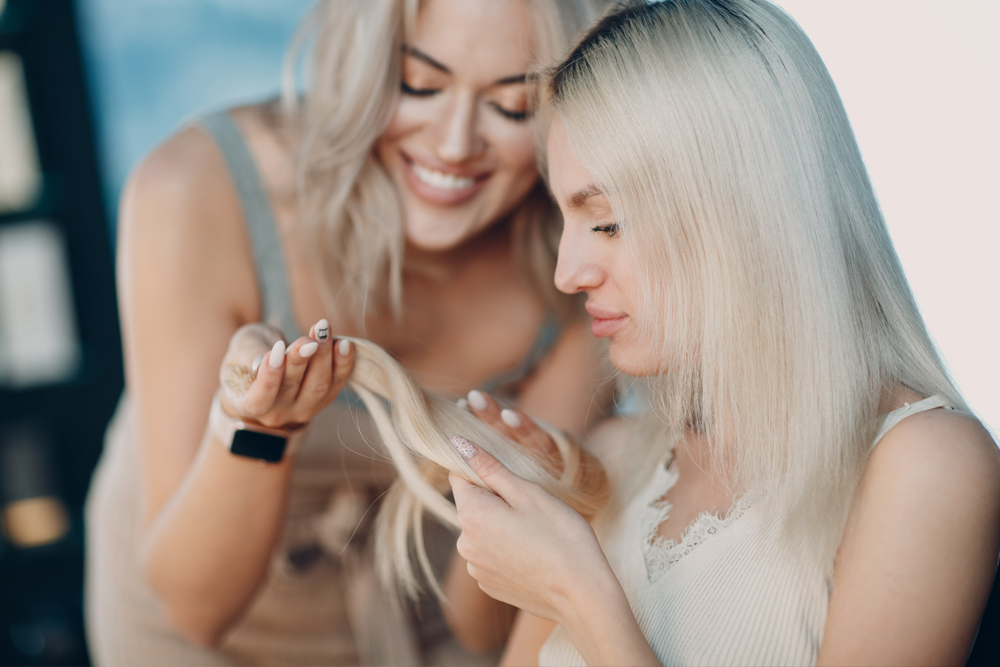
Natural looking extensions should be nearly undetectable when worn. They should match your hair color, blend with your texture, and move naturally with your own hair.
The best extensions do not look bulky, shiny, stiff, or disconnected from your natural hair. They should enhance your look without making it obvious that extensions are being worn.
A natural finish comes from three things working together: premium hair quality, proper color matching, and professional placement.
Tape-In Hair Extensions
Tape-in hair extensions are one of the most natural looking options, especially for fine to medium hair. They lay flat against the scalp and create a smooth, seamless finish when installed correctly.
Because the wefts are thin and lightweight, they are easy to conceal and comfortable for everyday wear. Tape-ins are also popular because they can add both volume and length without creating too much bulk.
For clients who want a semi-permanent option with a natural look, tape-ins are often one of the best choices.
Best for: Fine to medium hair, flat installs, lightweight wear, and seamless blending.
Keratin Tip Hair Extensions
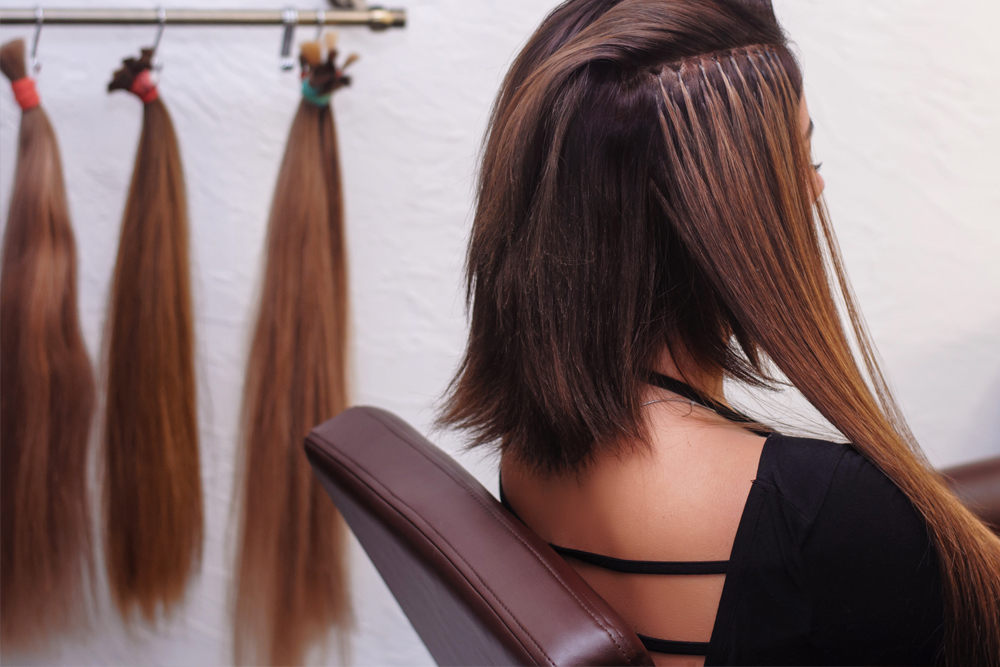
Keratin tip extensions, also known as K-tips, are another very natural looking option. They are installed strand by strand, which allows for natural movement and precise placement.
Because each piece moves independently, K-tips can mimic the way natural hair flows. This makes them a great choice for clients who want long-lasting extensions with a soft, undetectable finish.
K-tips are especially effective when a stylist customizes the placement around the face, layers, and parting areas.
Best for: Natural movement, long-term wear, customized placement, and premium salon results.
Genius Weft Hair Extensions
Genius weft extensions are designed for a flat, discreet, and highly customizable finish. Their ultra-thin construction allows them to sit close to the scalp while still adding fullness and length.
One of the biggest advantages of genius wefts is customization. They can be adjusted to fit the client’s head shape and desired placement, helping create a more natural blend.
For clients who want volume without a bulky weft appearance, genius wefts are one of the strongest options.
Best for: Seamless weft installs, fullness, customization, and invisible blending.
Clip-In Hair Extensions
Clip-in hair extensions can also look very natural when they are high quality and properly matched. They are temporary, easy to apply, and ideal for instant volume or length.
The key with clip-ins is placement. If they are placed too high, too close to the hairline, or without enough natural hair covering them, they may become visible.
Clip-ins work best when they are matched carefully to your color and texture, then styled together with your natural hair.
Best for: Temporary transformations, special events, and flexible styling.
Feather Weft Hair Extensions
Feather weft extensions can create a soft and natural look because they are lightweight and flexible. They are designed to add volume without feeling overly heavy or bulky.
When installed properly, feather wefts can blend well with natural hair and create comfortable fullness. They are a good option for clients who want a weft method but prefer a lighter feel.
The final result depends heavily on placement, density, and how well the weft is customized to the client’s hair.
Best for: Lightweight volume, comfortable wear, and natural fullness.
Which Extensions Look the Most Natural Overall?
Tape-ins, K-tips, and genius wefts are often considered the most natural looking hair extensions when installed professionally. Tape-ins lay flat, K-tips move strand by strand, and genius wefts provide fullness with an ultra-thin finish.
That said, the most natural option depends on the person. Fine hair may look best with tape-ins, while thicker hair may need genius wefts or K-tips for better blending.
There is no one-size-fits-all answer. The most natural looking extensions are the ones chosen specifically for your hair type and desired result.
Color Matching Is Everything
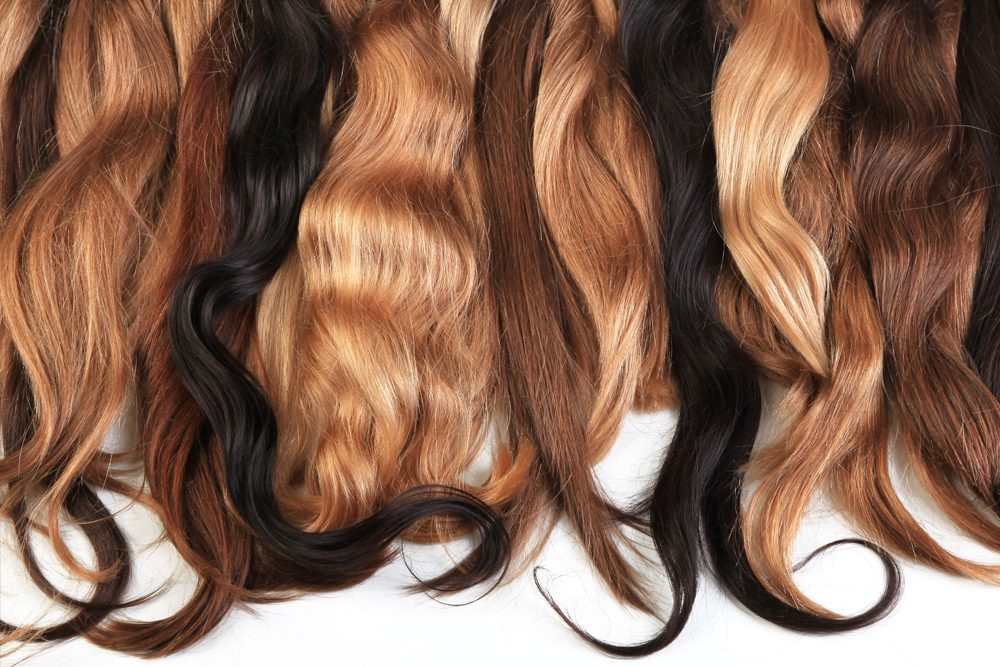
Even the best extensions will not look natural if the color is wrong. A perfect color match should account for your base shade, highlights, lowlights, root shadow, and overall dimension.
Many people have more than one tone in their hair, so a blended or dimensional extension shade may look more natural than a flat, single color. This is especially true for balayage, highlighted, or color-treated hair.
Belisse Studio offers extensions in over 50 colors, giving stylists and clients more flexibility for precise matching.
Texture Matching Matters Too
Texture is just as important as color. If your natural hair is wavy but your extensions are pin straight, the blend may look obvious unless the hair is styled.
Matching straight, wavy, or curly textures helps extensions move more naturally with your own hair. This creates a softer, more realistic result.
For the most seamless finish, choose extensions that match your natural texture or style both your hair and extensions together.
Density and Placement Make the Difference
Natural looking extensions should match the density of your own hair. If the extensions are too thick, they can look bulky. If they are too thin, they may not blend well with your natural ends.
Placement is also important. A professional stylist knows where to place extensions so they remain hidden, balanced, and comfortable.
Poor placement can make even high-quality extensions look unnatural. Proper placement creates flow, coverage, and movement.
Human Hair Looks More Natural Than Synthetic Hair
Human hair extensions usually look more natural than synthetic extensions because they move, feel, and style more like real hair. They can typically be curled, straightened, and blended more easily.
Synthetic hair can sometimes appear overly shiny or stiff, which may make it more noticeable. While synthetic options can work for short-term looks, human hair is usually the better choice for natural everyday wear.
For the most realistic result, premium human hair is the best foundation.
How to Make Hair Extensions Look More Natural
To make extensions look more natural, start with the right color and texture match. Then make sure the method is suitable for your natural hair type and density.
After installation, styling helps blend everything together. Soft waves, layers, and face-framing pieces can help the extensions merge with your own hair.
Regular maintenance is also important. Extensions that are tangled, dry, or grown out will not look as natural as extensions that are properly cared for.
So, What Are the Most Natural Looking Hair Extensions?
The most natural looking hair extensions are usually tape-ins, K-tips, and genius wefts, depending on your hair type and goals. These methods offer a discreet finish, natural movement, and professional customization.
Clip-ins and feather wefts can also look very natural when properly matched and applied. The best choice depends on whether you want temporary wear, semi-permanent results, volume, length, or a complete transformation.
For the most seamless result, choose high-quality human hair, match the color and texture carefully, and work with a professional stylist when needed.
Final Thoughts
Natural looking hair extensions are not about one single method — they are about choosing the right method for your hair. Quality, color, texture, density, and placement all work together to create the final look.
When everything is matched correctly, extensions should not look like extensions. They should simply look like beautiful, healthy hair.
The most natural extensions are the ones no one can tell you’re wearing.
Frequently Asked Questions
What type of hair extensions look the most natural?
Tape-ins, K-tips, and genius wefts are often among the most natural looking hair extensions when professionally installed. Tape-ins lay flat, K-tips move individually, and genius wefts provide seamless fullness. The best option depends on your natural hair type, density, and desired style.
Are tape-in extensions natural looking?
Yes, tape-in extensions can look extremely natural because they sit flat against the scalp. They are especially popular for fine to medium hair because they are lightweight and discreet. Proper color matching and placement are essential for the best result.
Do clip-in extensions look natural?
Clip-in extensions can look natural when they are high quality, properly matched, and placed correctly. They work best when your natural hair has enough density to cover the clips. Styling your natural hair and clip-ins together also helps create a seamless finish.
Are human hair extensions more natural than synthetic extensions?
Yes, human hair extensions usually look more natural than synthetic extensions. Human hair moves, feels, and styles more like your own hair. It also blends better for everyday wear and professional styling.
What makes extensions look fake?
Extensions can look fake if the color does not match, the texture is different, the hair quality is poor, or the placement is visible. Too much shine, bulk, or uneven blending can also make extensions noticeable. The right method and professional customization help prevent this.essional installation. The better choice depends on whether you want flexibility or long-term convenience.
Have Questions? Contact Us Today
Interested in Purchasing Wholesale Hair Extensions? Apply Here
Sources:
- American Academy of Dermatology — How to Prevent Hair Damage from a Weave or Extensions
https://www.aad.org/public/diseases/hair-loss/insider/stop-damage/prevent-hair-damage-weave-extensions - Allure — Best Hair Extensions for Longer, Fuller Hair
https://www.allure.com/story/best-hair-extensions - POPSUGAR — Hair Extensions: Types, Cost, and More
https://www.popsugar.com/beauty/hair-extensions-48959472 - The Right Hairstyles — Guide to Hair Extension Types
https://therighthairstyles.com/hair-extensions-types/ - Byrdie — Keratin Bond Hair Extensions
https://www.byrdie.com/keratin-hair-extensions-5085290