
Lightweight, Seamless Options That Add Volume Without Looking Obvious
Choosing hair extensions for thin hair requires a more careful approach than choosing extensions for medium or thick hair. Thin hair needs methods that are lightweight, discreet, and gentle enough to avoid unnecessary tension on the natural hair.
The best hair extensions for thin hair should add fullness without creating bulk, visible attachment points, or stress at the roots. The goal is to create a natural-looking result that blends smoothly and feels comfortable for everyday wear.
If you have thin or fine hair, the right extension method can make a major difference in how natural, secure, and healthy your final result looks.
What Makes Extensions Good for Thin Hair?
The best extensions for thin hair are usually flat, lightweight, and easy to conceal. Since thin hair has less density, bulky extensions can show through or feel too heavy.
A good method should distribute weight evenly and blend naturally with the client’s existing hair. It should also avoid placing too much tension on fragile areas, especially near the hairline, crown, or part.
For thin hair, less bulk is usually better. The right extensions should enhance the hair — not overwhelm it.
Tape-In Hair Extensions
Tape-in hair extensions are one of the most popular options for thin hair because they lay flat against the scalp. Their thin adhesive panels create a discreet finish, making them easier to conceal than bulkier extension methods.
Tape-ins are also lightweight, which makes them a strong choice for clients who want semi-permanent length and volume without excessive weight. When installed correctly, they blend smoothly and can create a soft, natural look.
For thin hair, proper placement is extremely important. A stylist should avoid placing tape-ins too close to the hairline or areas where the natural hair is too sparse.
Best for: Fine to medium hair, flat installs, lightweight volume, and semi-permanent results.
Genius Weft Hair Extensions
Genius wefts are another excellent option for thin hair when installed by an experienced professional. They are ultra-thin, flexible, and designed to sit flatter than traditional wefts.
Because genius wefts can be customized and cut to fit the client’s head shape, they allow stylists to create a more tailored installation. This helps reduce bulk and improve blending, which is especially important for fine or low-density hair.
Genius wefts can add beautiful fullness while still maintaining a natural appearance. However, the installation must be properly balanced to avoid placing too much weight on thin hair.
Best for: Custom weft installs, natural fullness, flat blending, and premium salon results.
Clip-In Hair Extensions
Clip-in hair extensions can work for thin hair if they are lightweight and used correctly. They are a great option for people who want temporary volume or length without committing to a permanent install.
The key is choosing clip-ins that are not too heavy. If the wefts are too thick or the clips are placed in fragile areas, they may pull on the natural hair or become visible.
Clip-ins are best for occasional wear rather than daily use if your hair is very thin. Removing them before sleeping and avoiding tight placement helps protect the natural hair.
Best for: Temporary volume, special events, and low-commitment styling.
Keratin Tip Extensions
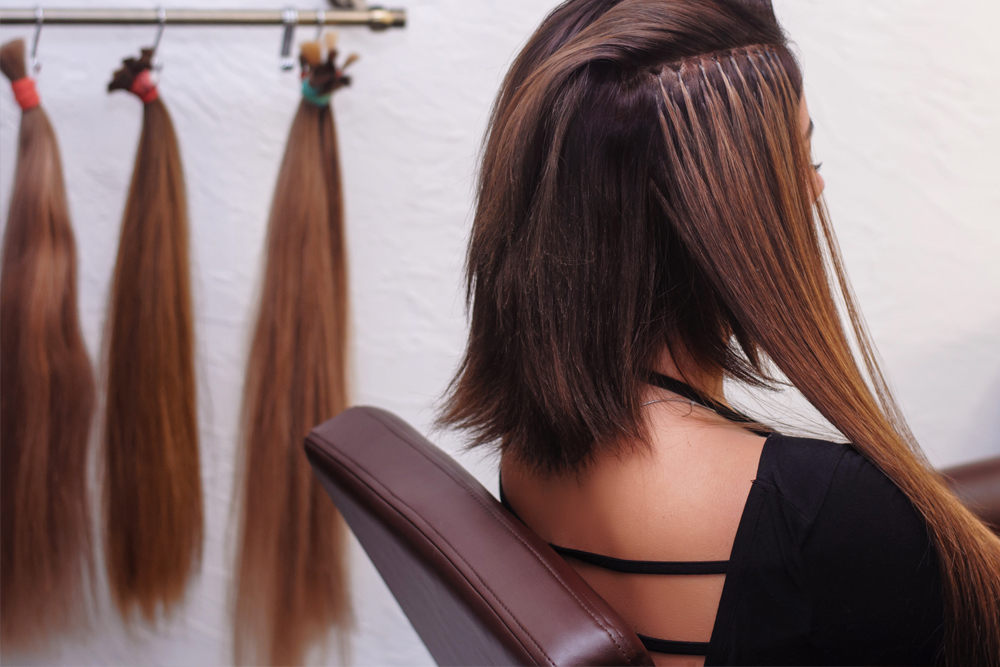
Keratin tip extensions can look very natural on thin hair because they are applied strand by strand. This allows for precise placement and natural movement.
However, K-tips must be used carefully on fine or fragile hair. If the bonds are too heavy or placed too densely, they can create tension and stress.
For thin hair, smaller bonds and lighter placement may be recommended. This method should always be installed by a trained stylist who understands how to work with fine hair safely.
Best for: Customized placement, natural movement, and long-term wear when applied carefully.
Feather Weft Extensions
Feather wefts may work for some clients with thin hair because they are lighter and more flexible than traditional wefts. They can add volume without the heavy feel of bulkier methods.
However, not every thin-hair client is a good candidate for wefts. The natural hair must be strong enough to support the attachment method and dense enough to conceal the row.
When installed properly, feather wefts can create soft fullness and a comfortable feel. The stylist should customize the placement to keep the result flat and natural.
Best for: Lightweight volume, soft fullness, and clients with enough density to cover the weft.
Which Extensions Should Thin Hair Avoid?
Thin hair should usually avoid extension methods that are too heavy, bulky, or high-tension. Heavy wefts, oversized bonds, and poorly placed clip-ins can stress the natural hair and become visible.
Extensions that require tight pulling or excessive weight should be approached carefully. If the natural hair is fragile or thinning, even a good method can cause issues if installed incorrectly.
The safest option is always the one that matches your hair density and avoids unnecessary tension.
The Most Natural Looking Extensions for Thin Hair
For thin hair, tape-ins and genius wefts are often among the most natural-looking choices. Tape-ins lay flat and are easy to conceal, while genius wefts offer a thin, customized weft option.
K-tips can also look extremely natural because they move strand by strand, but they require careful application. Clip-ins can look natural for temporary use if they are lightweight and properly placed.
The most natural result comes from matching the color, texture, density, and placement to your real hair.
Why Weight Matters for Thin Hair
Weight is one of the most important factors when choosing extensions for thin hair. If extensions are too heavy, they can pull on the natural hair and cause discomfort or breakage.
Thin hair has less density to support added hair, which means the installation must be balanced carefully. Lightweight extensions help reduce stress and create a more comfortable result.
A professional stylist should always evaluate whether your natural hair can safely support the method you want.
Why Color Matching Matters for Thin Hair
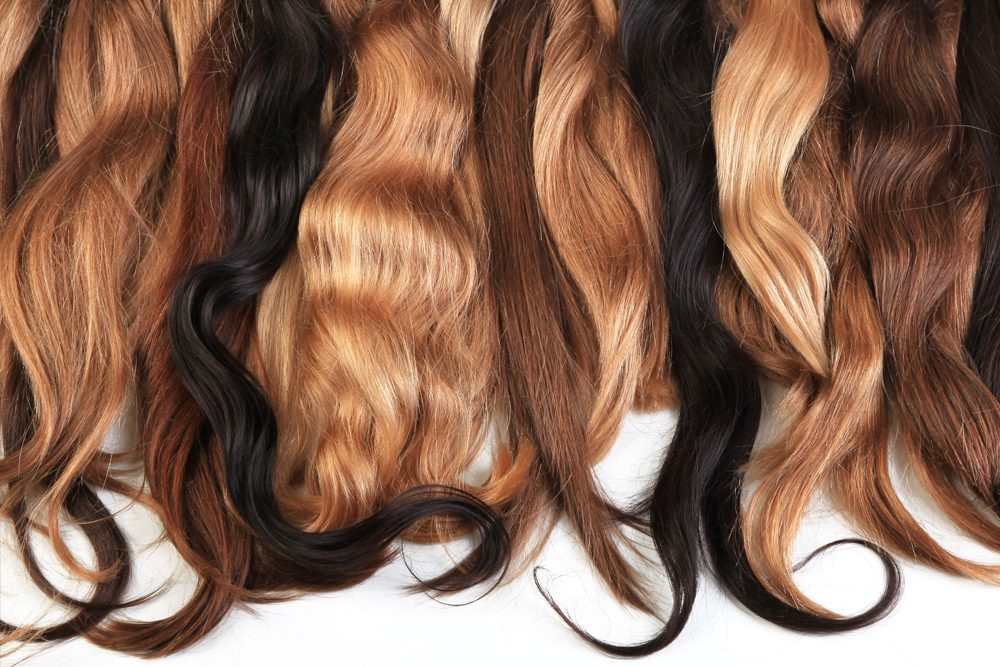
Color matching is especially important for thin hair because there is less natural hair to hide the extensions. Even a small color mismatch can make the extensions more noticeable.
A blend of shades often looks more natural than one flat color. Highlights, lowlights, root shadows, and dimensional tones can help extensions disappear into the natural hair.
Belisse Studio offers over 50 colors, giving clients and stylists more flexibility when creating a seamless match.
Best Extensions for Thin Hair by Goal
If your goal is temporary volume, clip-ins may be the best option. They can be worn only when needed and removed at the end of the day.
If your goal is everyday volume with a flat finish, tape-ins are often a strong choice. They are lightweight, discreet, and ideal for many fine-hair clients.
If your goal is premium fullness with customization, genius wefts may be a great option. They allow stylists to create a tailored result while keeping the finish flat and polished.
If your goal is natural movement, K-tips may work well when applied carefully and lightly.
Maintenance Tips for Thin Hair Extensions
Thin hair extensions require gentle care to protect both the extensions and natural hair. Brush carefully, starting from the ends and working upward to avoid pulling.
Avoid heavy oils, conditioners, or styling products near attachment points. These can cause slipping, buildup, or weakening of the install.
Sleep with your hair secured loosely to prevent tangling. Regular maintenance appointments are also important to keep the extensions comfortable and natural-looking.
So, What Are the Best Extensions for Thin Hair?
The best extensions for thin hair are usually lightweight and discreet. Tape-ins are often one of the top choices because they lay flat and blend well. Genius wefts are another strong option for clients who want customizable fullness with a thin, seamless finish.
Clip-ins are great for temporary use, while K-tips can work for clients who want natural movement and have enough hair strength for individual bonds. Feather wefts may also work for clients with enough density to conceal the row.
Ultimately, the best choice depends on your hair health, density, lifestyle, and desired result.
Final Thoughts
Thin hair can absolutely benefit from extensions when the right method is chosen. The key is selecting lightweight, natural-looking extensions that enhance the hair without placing too much stress on it.
A professional consultation is always the best first step. The right stylist can help determine which method will look natural, feel comfortable, and protect your hair long-term.
For thin hair, the best extensions are light, seamless, and designed to blend — not weigh you down.
Frequently Asked Questions
What type of hair extensions are best for thin hair?
Tape-ins and genius wefts are often strong options for thin hair because they lay flat and can look very natural. Clip-ins can work for occasional use if they are lightweight. K-tips may also work when applied carefully by a professional.
Are tape-in extensions good for thin hair?
Yes, tape-in extensions are often a good choice for thin hair because they are flat, lightweight, and discreet. They distribute weight across a wider section of hair, which can make them more comfortable. Proper placement is important to avoid visibility or tension.
Can clip-ins damage thin hair?
Clip-ins can damage thin hair if they are too heavy, worn too often, or placed in fragile areas. Lightweight clip-ins used occasionally are usually a safer option. They should always be removed before sleeping or showering.
What extensions look most natural on thin hair?
Tape-ins, genius wefts, and carefully placed K-tips can look very natural on thin hair. The most natural result depends on color matching, texture matching, and professional placement. Lightweight extensions are usually better for a seamless finish.
Should thin hair avoid extensions?
Not always. Thin hair can wear extensions if the right method is chosen and the natural hair is healthy enough to support them. A stylist should evaluate the hair first to avoid tension, visibility, or damage.
Have Questions? Contact Us Today
Interested in Purchasing Wholesale Hair Extensions? Apply Here
Sources:
- American Academy of Dermatology — How to Prevent Hair Damage from a Weave or Extensions
https://www.aad.org/public/diseases/hair-loss/insider/stop-damage/prevent-hair-damage-weave-extensions - TODAY — What Are the Best Hair Extensions for Thin Hair? Experts Explain
https://www.today.com/shop/best-hair-extensions-thin-hair-rcna207246 - Cleveland Clinic — Hair Loss Treatment
https://my.clevelandclinic.org/services/hair-loss-treatment - Byrdie — Best Tape-In Hair Extensions
https://www.byrdie.com/best-tape-in-hair-extensions-4588227 - InStyle — Types of Hair Extensions
https://www.instyle.com/hair/hair-extensions-types