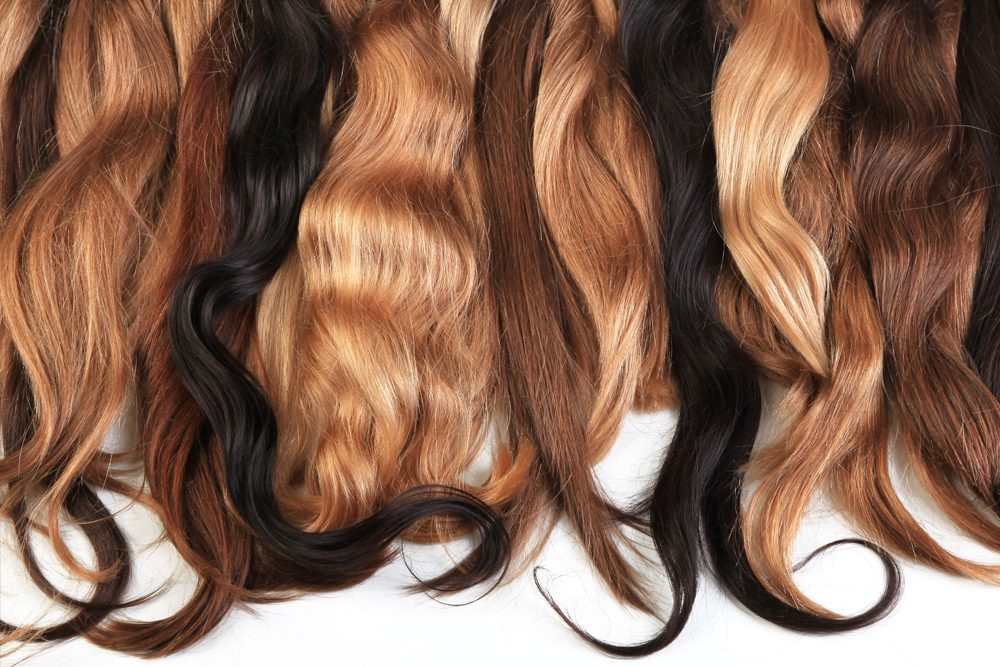
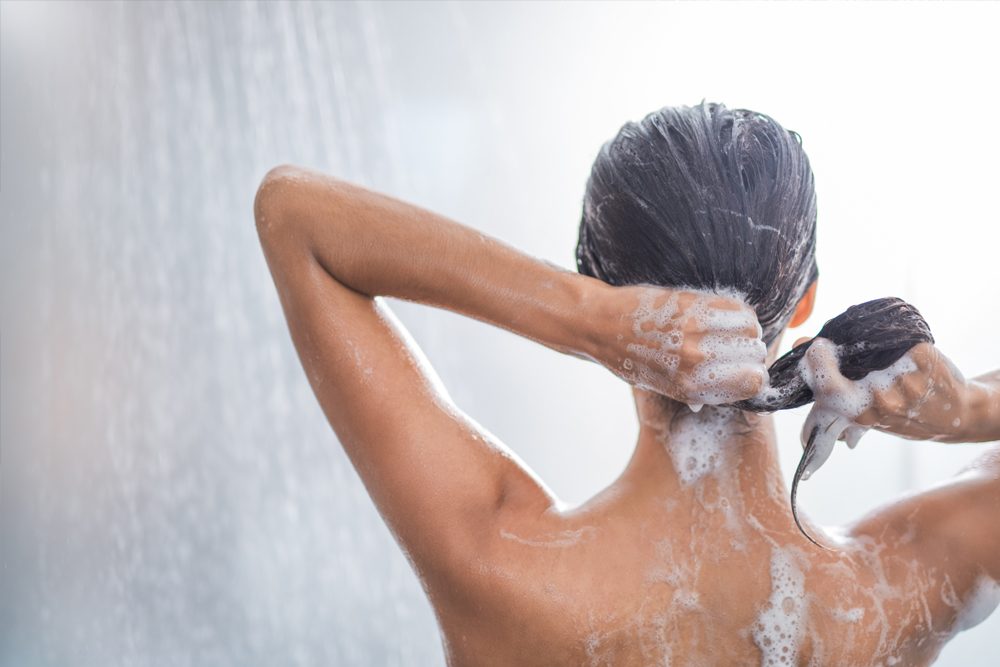
The Right Shampoo Can Make or Break Your Extensions
Hair extensions require a different level of care than natural hair. Because extensions are not attached to the scalp, they do not receive the natural oils that help keep hair soft, moisturized, and protected. That means the shampoo you choose plays a major role in how long your extensions last and how good they look over time.
Using the wrong shampoo can make extensions feel dry, tangled, heavy, dull, or difficult to manage. It can also affect the attachment points of tape-ins, keratin tips, wefts, or other semi-permanent methods. Choosing the right shampoo helps protect the hair, maintain softness, and keep your extensions looking beautiful for longer.
Why Shampoo Choice Matters for Hair Extensions
Hair extensions can be made from real human hair, but they still need extra care. Since they do not naturally receive moisture from your scalp, they are more vulnerable to dryness and buildup.
A harsh shampoo can strip the hair, making it feel rough or frizzy. A shampoo that is too heavy can leave residue, making extensions look greasy or weighed down. For installed extensions, the wrong shampoo may also weaken tapes, bonds, or attachment areas.
The best shampoo for extensions should cleanse gently without stripping moisture or leaving heavy buildup behind.
Avoid Shampoos With Harsh Sulfates
One of the main shampoo types to avoid with hair extensions is anything with harsh sulfates. Sulfates are cleansing agents that create a strong lather, but they can be too aggressive for extensions.
Harsh sulfate shampoos can strip moisture from the hair, leaving extensions dry, tangled, or brittle. This is especially important because extensions do not have the same natural oil supply as your own hair.
Look for gentle, sulfate-free shampoos whenever possible. These are usually better suited for maintaining softness, smoothness, and longevity.
Avoid Clarifying Shampoos for Regular Use
Clarifying shampoos are designed to deeply cleanse the hair and remove buildup. While they can be useful in certain situations, they are usually too strong for regular extension care.
Using clarifying shampoo too often can dry out extensions and make them feel rough or stripped. For tape-ins or bonded extensions, strong clarifying formulas may also interfere with attachment points.
If buildup is a problem, ask your stylist before using a clarifying shampoo. It may be appropriate occasionally, but it should not be part of your everyday routine.
Avoid Shampoos With Heavy Oils Near Attachment Points
Some shampoos contain heavy oils or rich moisturizing ingredients that can leave a coating on the hair. While moisture is important, too much oil near the roots or attachment points can cause problems.
For tape-in extensions, oily products near the adhesive can lead to slipping or loosening. For keratin tips, heavy oils near the bonds may weaken the attachment over time.
Oil-based products are not always bad, but placement matters. If your shampoo is very rich or oily, it may not be the best option for semi-permanent extensions.
Avoid Shampoos That Leave Waxy Buildup
Some shampoos can leave behind residue that makes extensions feel coated, sticky, or heavy. This can cause the hair to look dull and become harder to brush.
Buildup can also collect near tape tabs, bonds, beads, or weft rows. Over time, this can affect comfort, blending, and maintenance.
If your extensions feel greasy right after washing or seem to tangle more than usual, your shampoo may be leaving too much residue. A lightweight, extension-safe shampoo is usually a better choice.
Avoid Dandruff Shampoos Unless Approved by Your Stylist
Dandruff shampoos often contain active ingredients designed to treat scalp concerns. While they may be helpful for the scalp, they can be too drying or too strong for hair extensions.
If you have dandruff or scalp irritation while wearing extensions, do not automatically switch to a medicated shampoo without guidance. Some formulas may affect the condition of the hair or the extension attachment points.
It is best to speak with your stylist or dermatologist before using medicated shampoos with extensions. Your scalp health matters, but so does protecting the installation.
Avoid Protein-Heavy Shampoos Used Too Often
Protein can help strengthen hair in certain cases, but too much protein can make extensions feel stiff, dry, or brittle. Some repair shampoos are loaded with strengthening ingredients that may not be ideal for regular extension care.
Extensions usually need moisture and softness more than aggressive strengthening. If the hair starts to feel rough or hard after using a repair shampoo, it may be too protein-heavy.
A balanced routine is best. Use moisturizing products regularly and only use protein-based products when needed.
Avoid Cheap, Low-Quality Shampoos
Low-quality shampoos can contain harsh cleansers, heavy fillers, or ingredients that create buildup. While they may seem cost-effective, they can shorten the life of your extensions.
Hair extensions are an investment, so they should be cared for with products that support longevity. A poor shampoo can make even high-quality extensions look dry, dull, or tangled.
Choose professional-quality, gentle formulas whenever possible. Better products help protect your investment and keep the hair looking salon-fresh.
What Shampoo Should You Use Instead?
The best shampoo for hair extensions is gentle, lightweight, and moisturizing without being heavy. It should cleanse the scalp and hair without stripping moisture or leaving residue behind.
Look for shampoos that are:
Gentle and sulfate-free
Moisturizing but lightweight
Safe for color-treated hair
Free from heavy buildup
Recommended for extensions or professional use
A good shampoo should leave your extensions feeling clean, soft, and easy to brush — not dry, sticky, or weighed down.
Shampoo Tips for Tape-In Extensions
Tape-in extensions require extra care because the adhesive tabs can be affected by the wrong products. Avoid shampoos with heavy oils, slippery ingredients, or strong clarifying formulas near the tape area.
When washing tape-ins, focus shampoo on the scalp and rinse thoroughly. Do not scrub aggressively around the tapes.
Conditioner should never be applied directly to the tape tabs. Keep conditioning products from the mid-lengths to the ends only.
Shampoo Tips for Keratin Tip Extensions
Keratin tip extensions are bonded strand by strand, so the bond area needs to be protected. Avoid oily, heavy, or overly strong shampoos near the keratin bonds.
Wash gently and avoid rough pulling around the attachment points. The goal is to cleanse without weakening the bonds.
Conditioning products, masks, and oils should be kept away from the bond area. Apply them only to the lengths and ends.
Shampoo Tips for Weft Extensions
Weft extensions need a shampoo routine that keeps both the scalp and weft area clean without causing buildup. Avoid shampoos that leave residue near the rows, beads, or sewing area.
Wash gently between rows and rinse thoroughly. Product buildup near the weft can cause discomfort, tangling, or dullness.
After washing, dry the root and weft area completely. Leaving moisture trapped near the attachment area can create problems over time.
Shampoo Tips for Clip-In Extensions
Clip-in extensions do not need to be washed as often as installed extensions. Since they are removed after wear, they do not collect scalp oil in the same way.
Avoid washing clip-ins too frequently, even with a gentle shampoo. Overwashing can dry them out and shorten their lifespan.
When washing clip-ins, use cool or lukewarm water, a gentle shampoo, and conditioner on the ends. Let them air dry fully before storing.
Signs Your Shampoo Is Not Right for Extensions
Your shampoo may not be right for your extensions if the hair feels dry, rough, sticky, greasy, or tangled after washing. Extensions should feel clean and soft, not stripped or coated.
You may also notice slipping, loosening, or buildup around attachment points. This can be a sign that the product is too oily, too heavy, or not rinsing out properly.
If your extensions suddenly become harder to manage, review your shampoo first. Product choice is often one of the biggest causes of extension issues.
So, What Shampoo Should You Avoid With Hair Extensions?
Avoid shampoos with harsh sulfates, strong clarifying agents, heavy oils, waxy residue, or drying medicated ingredients unless approved by your stylist. These formulas can dry out extensions, cause buildup, or interfere with attachment points.
The safest choice is usually a gentle, sulfate-free, extension-safe shampoo that cleans without stripping. Pair it with proper conditioning and careful washing habits for the best results.
A better shampoo routine helps your extensions stay softer, smoother, and longer-lasting.
Final Thoughts
Hair extensions can look beautiful for longer when cared for with the right products. Shampoo is one of the most important parts of that routine.
Avoid harsh, heavy, or stripping formulas, and choose products that support softness, moisture, and longevity. When in doubt, ask your stylist for recommendations based on your extension type.
Gentle cleansing. Better care. Longer-lasting extensions.
Frequently Asked Questions
What shampoo is bad for hair extensions?
Shampoos with harsh sulfates, strong clarifying ingredients, heavy oils, or waxy buildup can be bad for hair extensions. These can dry out the hair or interfere with attachment points. A gentle, sulfate-free shampoo is usually a safer choice.
Can I use regular shampoo on hair extensions?
You can use some regular shampoos, but not all are extension-safe. Many regular shampoos are too harsh or too heavy for extensions. Always check ingredients and ask your stylist if you are unsure.
Is sulfate-free shampoo best for extensions?
Sulfate-free shampoo is usually recommended because it cleanses more gently. Extensions need moisture and softness, so harsh cleansers can shorten their lifespan. Look for a lightweight, moisturizing formula.
Can shampoo make tape-ins fall out?
Yes, the wrong shampoo can contribute to tape-in slipping. Heavy oils, strong clarifiers, or products that leave residue near the adhesive may weaken the tape. Keep oily and conditioning products away from tape tabs.
Should I use clarifying shampoo on extensions?
Clarifying shampoo should not be used regularly on extensions. It can be too strong and may dry out the hair. Use it only if recommended by your stylist.
Have Questions? Contact Us Today
Interested in Purchasing Wholesale Hair Extensions? Apply Here
Sources:
- American Academy of Dermatology — How to Prevent Hair Damage from a Weave or Extensions
https://www.aad.org/public/diseases/hair-loss/insider/stop-damage/prevent-hair-damage-weave-extensions - InStyle — How to Wash Hair Extensions, According to a Stylist
https://www.instyle.com/hair/how-do-i-wash-my-hair-if-i-have-extensions - Great Lengths — Hair Extension Shampoo, Conditioner & Finishing Products
https://www.greatlengths.com/en-us/wetline - Noelle Salon — Caution: Do Not Use on Hair Extensions
https://noellesalon.com/blogs/hair-color-style/do-not-use-on-hair-extensions - Muse for Hair — What Products Should I Avoid Using on Hair Extensions?
https://museforhair.com/blogs/news/what-products-should-i-avoid-using-on-hair-extensions